








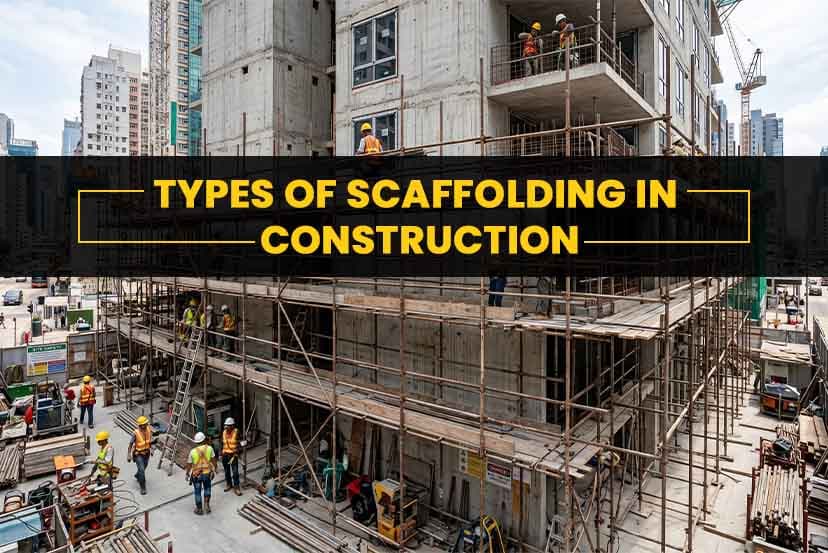
Scaffolding is an essential part of modern construction, providing temporary support and access for workers performing tasks at a height. Whether it’s building construction, maintenance, or repair work, scaffolding ensures safety, efficiency, and precision. In this detailed guide, we will explore the types of scaffolding in construction, their uses, importance, and pricing factors to help you make informed decisions.
What is Scaffolding?
Scaffolding is a temporary structure made from materials like steel, aluminum, or wood, used to support workers and materials during construction, maintenance, or repair activities. It allows workers to safely access elevated areas that are otherwise difficult to reach.
Importance of Scaffolding in Construction
Scaffolding plays a crucial role in construction projects. Here’s why it is important:
1. Worker Safety: Scaffolding provides a stable working platform, reducing the risk of falls and accidents.
2. Easy Accessibility: It allows workers to reach heights and difficult areas efficiently.
3. Improved Productivity: With proper support and accessibility, workers can complete tasks faster and more accurately.
4. Structural Support: Scaffolding supports materials and tools, making construction processes smoother.
5. Versatility: It can be customized for different building shapes and sizes.
Different Scaffolding Types in Construction
There are several types of scaffolding used depending on the project requirements. Let’s explore them in detail:
1. Single Scaffolding (Bricklayer Scaffolding)
- Used for: Brick masonry work
- Structure: Consists of vertical supports (standards), horizontal supports (ledgers), and putlogs
- Features: Simple and cost-effective
2. Double Scaffolding (Mason’s Scaffolding)
- Used for: Stone masonry
- Structure: Two rows of scaffolding for extra strength
- Features: More stable than single scaffolding
3. Cantilever Scaffolding
- Used for: Situations where ground support is not possible
- Structure: Supported on needles projecting from the building
- Features: Ideal for high-rise buildings and busy streets
4. Suspended Scaffolding
- Used for: Painting, cleaning, and repair work
- Structure: Platform suspended from the roof using ropes or chains
- Features: Adjustable height and highly flexible
5. Trestle Scaffolding
- Used for: Indoor work such as painting and repairs
- Structure: Supported on movable ladders or tripods
- Features: Lightweight and easy to move
6. Steel Scaffolding
- Used for: Large-scale and heavy-duty construction
- Structure: Made of steel tubes and fittings
- Features: Strong, durable, and fire-resistant
7. Patented Scaffolding
- Used for: Modern construction projects
- Structure: Pre-designed and prefabricated components
- Features: Easy to assemble and dismantle
8. Kwikstage Scaffolding
- Used for: Industrial and large construction projects
- Structure: Modular system with fixed connections
- Features: Quick installation and high load capacity
9. Frame Scaffolding
- Used for: Building construction and maintenance
- Structure: Pre-built frames connected with braces
- Features: Easy setup and widely used
Understand the Uses of Scaffolding
Scaffolding is used across various construction and maintenance activities:
- Building construction
- Painting and plastering
- Window cleaning
- Repair and renovation
- Industrial maintenance
- Bridge construction
Factors Affecting Scaffolding Price
The cost of scaffolding depends on several factors:
1. Material Used
- Steel scaffolding is more expensive than wooden or aluminum options.
2. Type of Scaffolding
- Advanced systems like patented or modular scaffolding cost more.
3. Height and Size
- Larger and taller scaffolding structures increase the cost.
4. Duration of Use
- Rental costs depend on the duration of the project.
5. Labor and Installation
- Assembly and dismantling charges add to the overall cost.
Indicative Price of Scaffolding in India
| Type of Scaffolding | Price Range (INR) |
| Single Scaffolding | ₹15 – ₹25 per sq. ft. |
| Double Scaffolding | ₹20 – ₹35 per sq. ft. |
| Steel Scaffolding | ₹25 – ₹60 per sq. ft. |
| Suspended Scaffolding | ₹50 – ₹100 per day (rental) |
| Patented Scaffolding | ₹30 – ₹80 per sq. ft. |
| Kwikstage Scaffolding | ₹40 – ₹90 per sq. ft. |
Note: Prices may vary based on location, supplier, and project requirements.
What are the Advantages of Using Scaffolding?
Scaffolding offers multiple advantages that go beyond just providing height access. When used correctly, it significantly improves safety, efficiency, and overall project quality. Let’s elaborate on each benefit:
Ensures Worker Safety
One of the most important advantages of scaffolding is the safety it provides to workers. Unlike ladders or makeshift platforms, scaffolding offers a stable and secure working surface. It typically includes guardrails, toe boards, and non-slip platforms, which reduce the risk of falls and injuries.
Enhances Work Efficiency
Scaffolding allows workers to move freely and comfortably while working at different heights. Instead of constantly repositioning ladders or equipment, workers can access a larger working area from a single platform.
This convenience leads to:
- Faster task completion
- Reduced downtime
- Better coordination among team members
As a result, projects can be completed more quickly without compromising quality.
Provides Flexibility in Construction
Modern scaffolding systems are highly adaptable and can be customized to suit different structures and project requirements. Whether it’s a straight wall, curved surface, or complex architectural design, scaffolding can be adjusted accordingly.
Supports Heavy Loads
Scaffolding is designed to handle not just workers, but also construction materials, tools, and equipment. Strong materials like steel or aluminum ensure high load-bearing capacity, allowing multiple workers to operate simultaneously without compromising stability.
Suitable for All Types of Projects
Scaffolding is versatile and can be used across a wide range of applications, including:
- Residential construction
- Commercial buildings
- Industrial projects
- Bridge and infrastructure work
- Repair and maintenance tasks
From small indoor repairs to large infrastructure projects, scaffolding systems can be tailored to meet specific project needs, making them an indispensable part of the construction industry.
Conclusion
Scaffolding is a vital component in construction that ensures safety, accessibility, and efficiency. With various types available, ranging from simple single scaffolding to advanced modular systems, choosing the right one depends on your project needs and budget. Understanding the types of scaffolding, their uses, importance, and pricing can help contractors and builders optimize costs while maintaining safety and productivity.
FAQs
1. Which type of scaffolding is best for construction?
Steel or modular scaffolding is best for large and complex projects due to its strength and durability.
2. What is the most affordable scaffolding type?
Single scaffolding is generally the most cost-effective option.
3. Is scaffolding rented or purchased?
Both options are available. Renting is common for short-term projects.
4. How is scaffolding cost calculated?
It is usually calculated per square foot or based on rental duration.