








Working at heights remains one of the most hazardous activities across industries such as construction, oil & gas, telecom, manufacturing, utilities, mining, warehousing, and infrastructure. Falls from elevated surfaces continue to be one of the leading causes of workplace injuries and fatalities worldwide. This makes fall arrester systems an essential part of every organization’s workplace safety program.
A fall arrester system is designed to safely stop a worker’s fall before they hit the ground or another obstacle. These systems reduce impact forces, minimize injuries, and comply with occupational safety regulations. If you are looking to buy fall arrest equipment in bulk at the most reasonable prices, you can procure them at Moglix business efficiently.
What Is a Fall Arrester System?
A fall arrester system is a personal fall protection system that automatically arrests a worker’s fall while minimizing impact forces on the body.
Unlike fall prevention systems that stop workers from reaching hazardous edges, a fall arrest system allows movement while ensuring the worker is safely stopped if a fall occurs.
These systems are widely used for:
- Construction sites
- Rooftop maintenance
- Wind turbine maintenance
- Telecom towers
- Power transmission
- Industrial plants
- Warehouses
- Bridges
- Airports
- Shipyards
- Oil & Gas facilities
Why Are Fall Arrester Systems Important?
Fall protection equipment provides multiple safety benefits.
- Prevents Fatal Falls: The primary purpose is to arrest falls before serious injury occurs.
- Reduces Impact Force: Energy absorbers reduce the force transmitted to the worker’s body.
- Improves Worker Safety: Employees can work confidently at heights.
- Regulatory Compliance: Helps organizations comply with workplace safety regulations.
- Reduces Downtime: Fewer accidents result in uninterrupted project execution.
- Protects Company Reputation: Strong safety practices improve client trust and reduce legal liabilities.
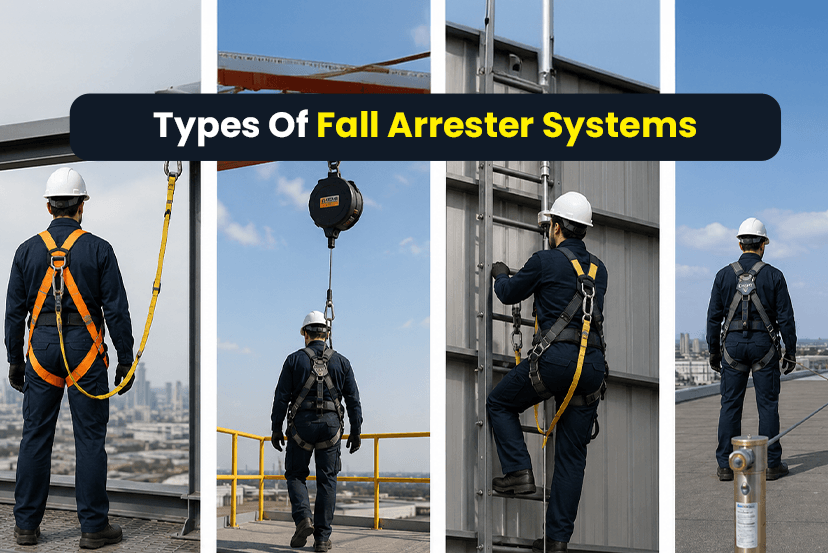
What are the Types Of Fall Arrester Systems?
Different workplaces require different fall protection solutions.
1. Vertical Fall Arrester System
Best For
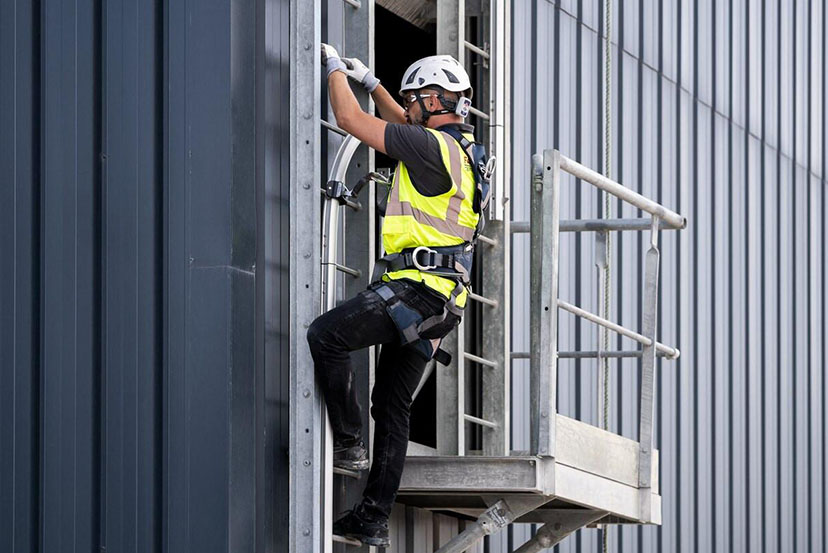
A vertical fall arrest system protects workers climbing ladders, towers, and vertical structures.
- Telecom towers
- Wind turbines
- Industrial ladders
- Chimneys
- Water tanks
Advantages
- Continuous protection
- Hands-free climbing
- High worker mobility
- Reliable fall arrest
2. Horizontal Lifeline System
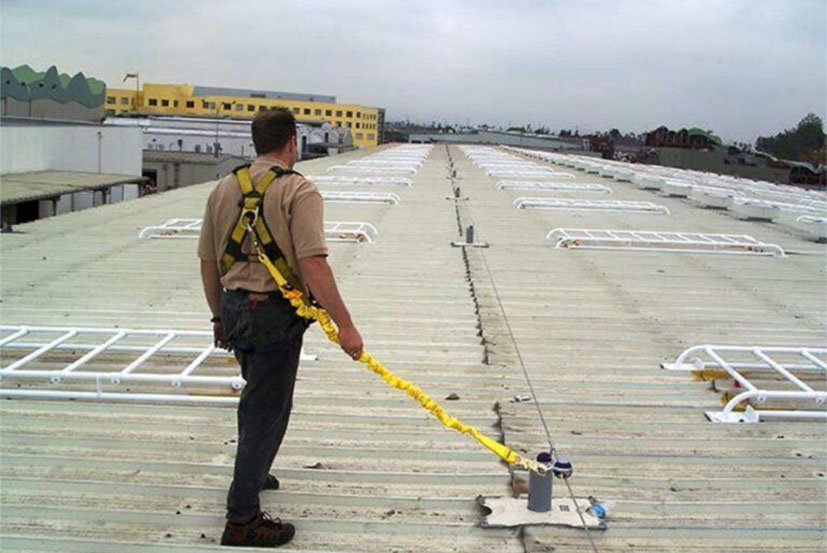
A horizontal lifeline allows workers to move safely across rooftops or elevated workspaces.
Applications
- Roof maintenance
- Solar panel installation
- Aircraft maintenance
- Bridge construction
- Warehouses
Benefits
- Large work coverage
- Continuous protection
- Multiple worker access
- Easy movement
3. Self-Retracting Fall Arrester
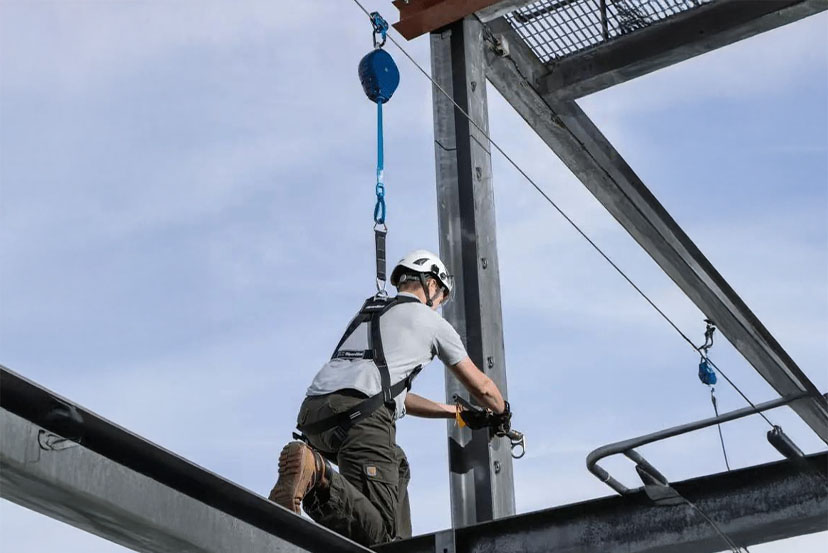
This advanced fall arrester retracts automatically while workers move.
Features
- Instant locking mechanism
- Compact design
- Reduced free-fall distance
- Lightweight
Suitable Industries
- Manufacturing
- Construction
- Warehousing
- Utilities
4. Rope Grab Fall Arrester
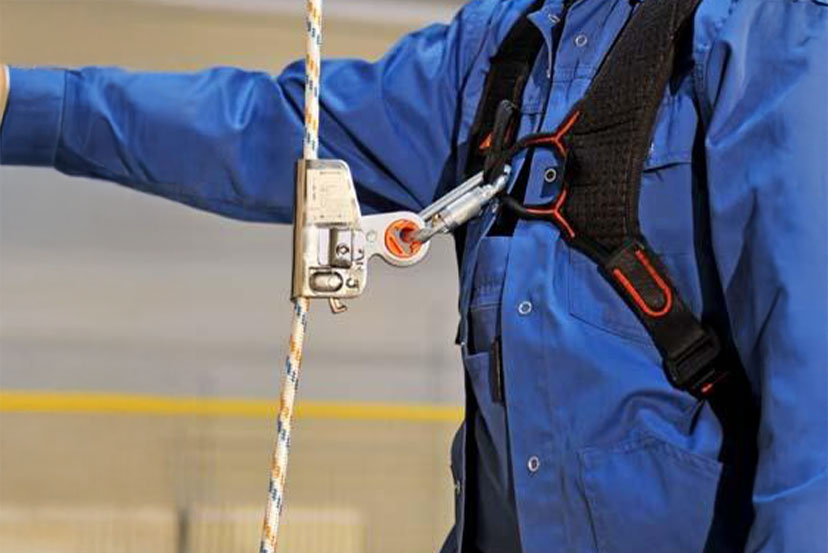
A rope grab moves freely along the rope during climbing but locks immediately during a fall.
Common Uses
- Tower climbing
- Rope access
- Rescue operations
- Maintenance work
5. Guided Type Fall Arrester
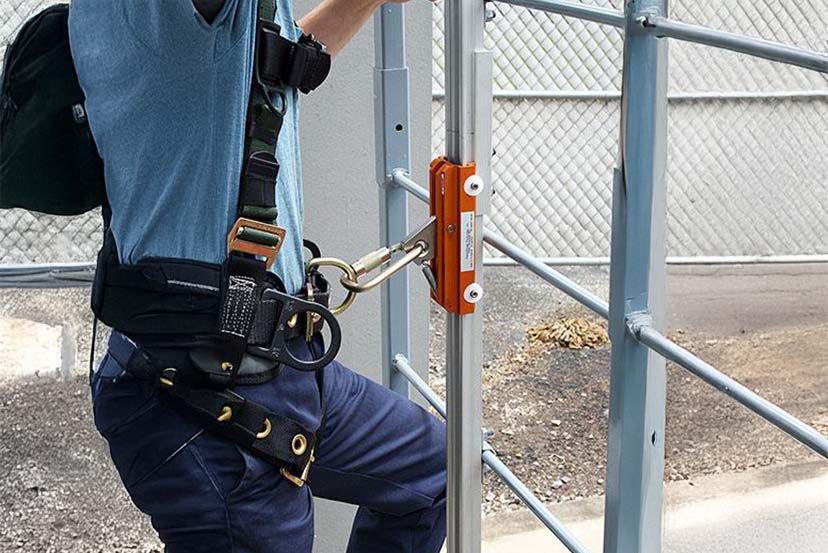
This system moves along a rigid rail or cable installed permanently on ladders.
Advantages
- Smooth movement
- Permanent installation
- Minimal maintenance
- High reliability
6. Twin Lanyard Fall Arrester
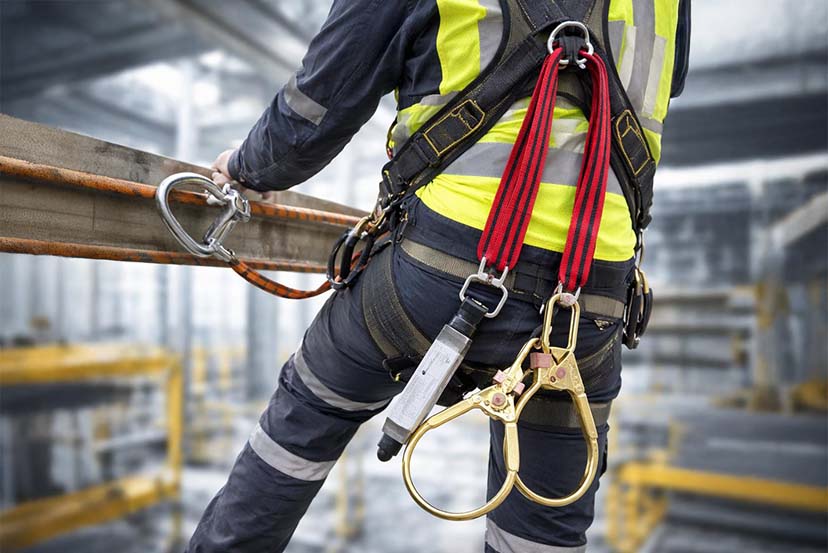
Twin lanyards enable workers to remain connected while moving between anchor points.
Benefits
- 100% tie-off
- Continuous protection
- Increased flexibility
- Better mobility
7. Temporary Horizontal Lifeline System
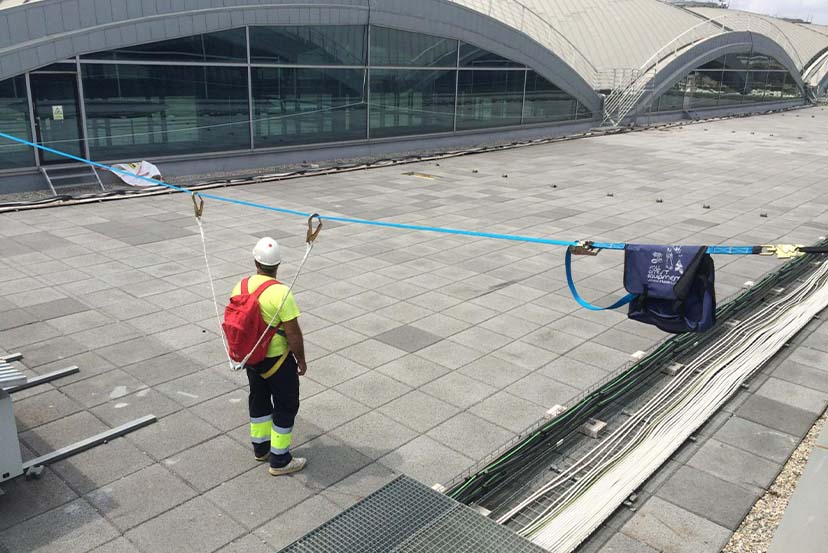
These systems are installed temporarily during construction or maintenance projects.
Best For
- Construction sites
- Shutdown maintenance
- Industrial repairs
- Bridge maintenance
8. Permanent Fall Arrest System
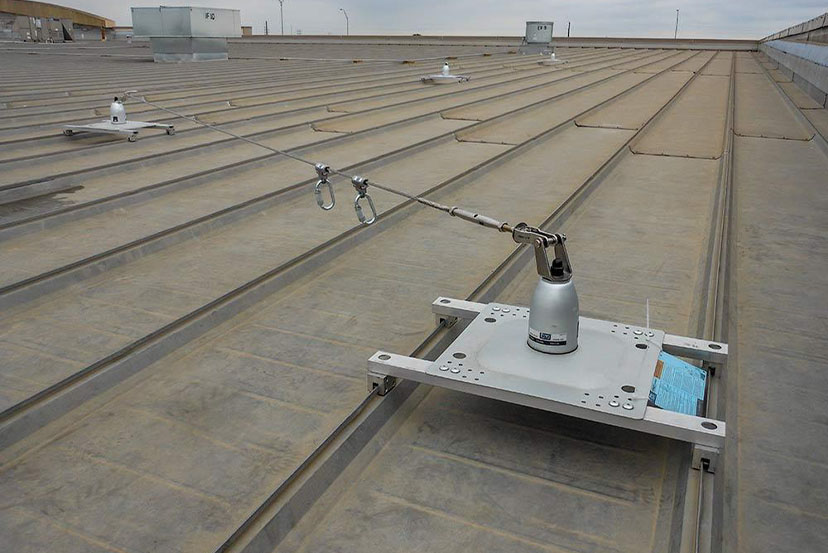
Permanent systems remain installed on buildings or industrial structures.
Ideal Applications
- Commercial buildings
- Factories
- Airports
- Warehouses
- Power plants
Main Components of a Fall Arrester System
Every complete fall arrest system includes several interconnected components.
1. Full Body Harness
A full body harness distributes arrest forces across the shoulders, thighs, chest, and pelvis.
Features include:
- Adjustable straps
- Dorsal D-ring
- Side D-rings
- Chest buckle
- Comfortable padding
- Lightweight construction
2. Shock Absorbing Lanyard
The lanyard connects the worker to the anchor point.
Shock absorbers reduce fall forces during sudden deceleration.
Common lengths include:
- 1.5 meters
- 1.8 meters
- 2 meters
3. Self-Retracting Lifeline (SRL)
An SRL automatically extends and retracts as workers move.
If a fall occurs, the internal braking mechanism locks immediately.
Benefits:
- Increased mobility
- Faster fall arrest
- Lower arrest forces
- Reduced free-fall distance
4. Anchorage Point
The anchor is the strongest point in the fall arrest system.
It may include:
- Steel beams
- Roof anchors
- Concrete anchors
- Temporary anchor slings
- Structural columns
5. Connectors
Connectors include:
- Carabiners
- Snap hooks
- Rope grabs
- Quick links
These securely join various fall protection components.
6. Lifeline
The lifeline connects workers to the anchor.
It can be:
- Vertical
- Horizontal
- Temporary
- Permanent
Comparison of Different Types of Fall Arrester Systems
| Fall Arrester Type | Best Application | Mobility | Permanent/Temporary |
| Vertical Lifeline | Ladder climbing | Medium | Permanent |
| Horizontal Lifeline | Rooftops | High | Both |
| Self-Retracting Lifeline | Construction | Very High | Both |
| Rope Grab | Tower climbing | Medium | Temporary |
| Guided Rail System | Fixed ladders | High | Permanent |
| Twin Lanyard | Structural work | High | Temporary |
| Temporary Lifeline | Construction | High | Temporary |
| Permanent Lifeline | Industrial buildings | High | Permanent |
How to Choose the Right Fall Arrester System?
Selecting the appropriate system depends on several factors.
- Work Height: Higher elevations may require SRLs or advanced lifeline systems.
- Work Environment: Indoor, outdoor, corrosive, or confined environments influence equipment selection.
- Worker Mobility: Tasks requiring extensive movement benefit from horizontal lifelines or SRLs.
- Anchor Availability: Verify that suitable certified anchor points are available.
- Weight Capacity: Ensure the system supports the user’s weight, including clothing and tools.
- Applicable Standards: Use equipment certified to recognized safety standards and compatible with local regulations.
Inspection Checklist Before Every Use
Always inspect fall protection equipment before use.
- Check harness stitching
- Inspect webbing for cuts
- Verify buckle operation
- Examine D-rings
- Inspect lanyards
- Check shock absorbers
- Test SRL locking mechanism
- Inspect hooks and connectors
- Verify anchor condition
- Remove damaged equipment from service
Common Mistakes to Avoid
Avoid these common errors when using fall protection equipment.
- Using damaged harnesses
- Connecting to weak anchor points
- Ignoring inspection schedules
- Using incompatible components
- Exceeding weight limits
- Skipping worker training
- Improper harness adjustment
- Reusing equipment after a significant fall without proper evaluation
How Often Should Fall Arrest Equipment Be Inspected?
Inspection frequency depends on usage and manufacturer recommendations.
| Inspection Type | Frequency |
| User Inspection | Before every use |
| Supervisor Inspection | Weekly or as required |
| Competent Person Inspection | At least every 6–12 months (or per manufacturer and local regulations) |
| After a Fall | Immediately before reuse, affected equipment often requires removal from service |
Conclusion
Choosing the right fall arrester system is essential for protecting workers at height and ensuring compliance with workplace safety requirements. Whether you need a harness and belts, vertical fall arrester, horizontal lifeline, fixed line system, self-retracting lifeline (SRL), Lanyards, rope grab, or twin lanyard system, selecting equipment that matches the work environment and is properly inspected can significantly reduce the risk of serious injuries. Now you can buy a fall arrester and protection equipment in bulk at Moglix business efficiently.
As industries adopt smarter safety technologies in 2026, investing in high-quality fall protection equipment and providing regular training will help create safer, more productive workplaces. A well-designed fall protection program is not only a regulatory requirement but also a long-term investment in employee safety and operational excellence.