










The hall or living room is often the first space guests notice, so choosing the right wall colour can significantly influence the overall look and feel of your home. A well-planned paint colour combination can make the room appear brighter, larger, warmer, or more sophisticated. Two-colour schemes are particularly versatile because they create contrast and visual depth without making the space feel overly busy. Interior design guides also recommend combining complementary or balanced shades rather than using random colours together.
Whether you prefer a modern, minimalist, elegant, or vibrant interior, there are plenty of hall colour combinations to explore. From timeless white and grey to earthy beige and green, here are 10 of the best paint colour combinations for halls and living rooms.
Complete List Of Living Room And Hall Wall Colour Combinations You Can Opt For In 2026
Based on the latest reviews and people’s choices, we have collected the data and find 10 best and most used hall colour combinations. Lets have a quick look at them.
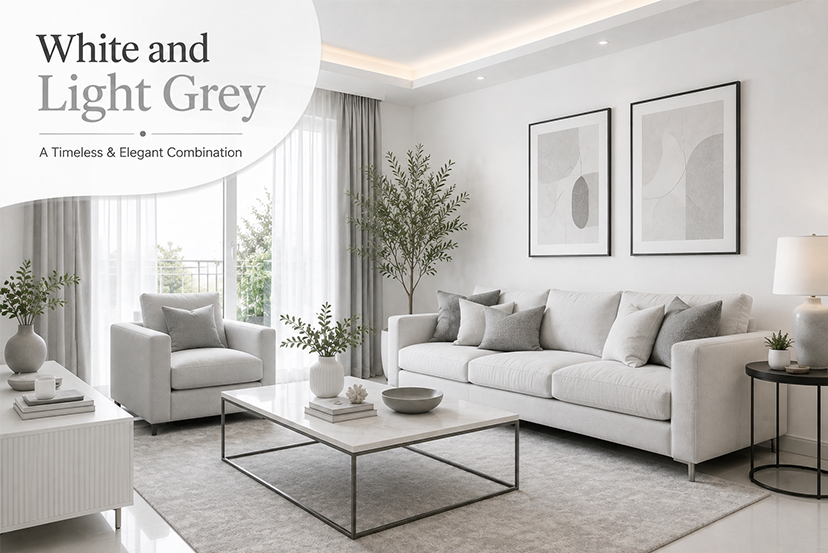
1. White and Light Grey
White and light grey are a timeless combination that works particularly well in modern living rooms. White keeps the space bright and airy, while light grey adds subtle depth and sophistication. Use white on three walls and light grey on the TV or sofa wall to create a simple accent-wall effect.
Best for: Modern, minimalist, and compact living rooms
Tip: Add wooden furniture and metallic décor for warmth and contrast.
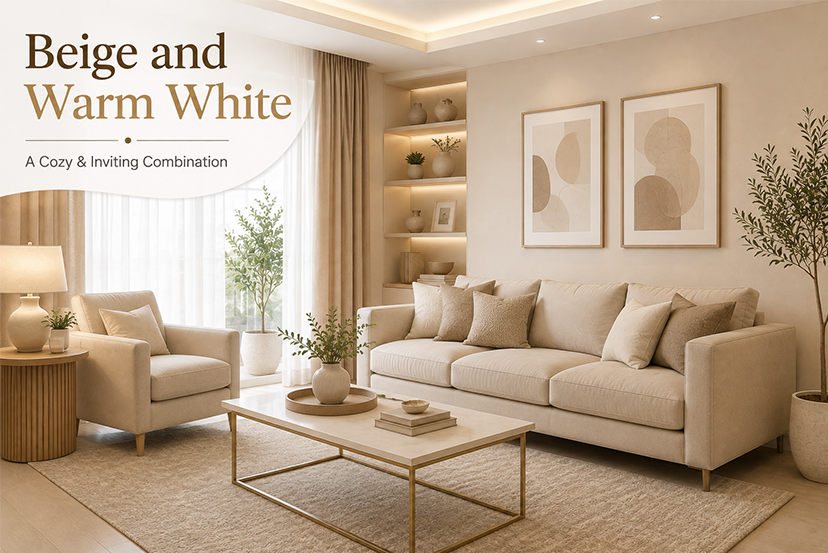
2. Beige and Warm White
If you want a welcoming and elegant living room, beige and warm white make an excellent combination. Beige introduces warmth without being overpowering, while warm white keeps the room visually open. This palette works especially well with wooden flooring, cream sofas, and natural-fibre furnishings.
Best for: Classic, contemporary, and luxury interiors
Tip: Choose warm lighting to enhance the cosy appearance.
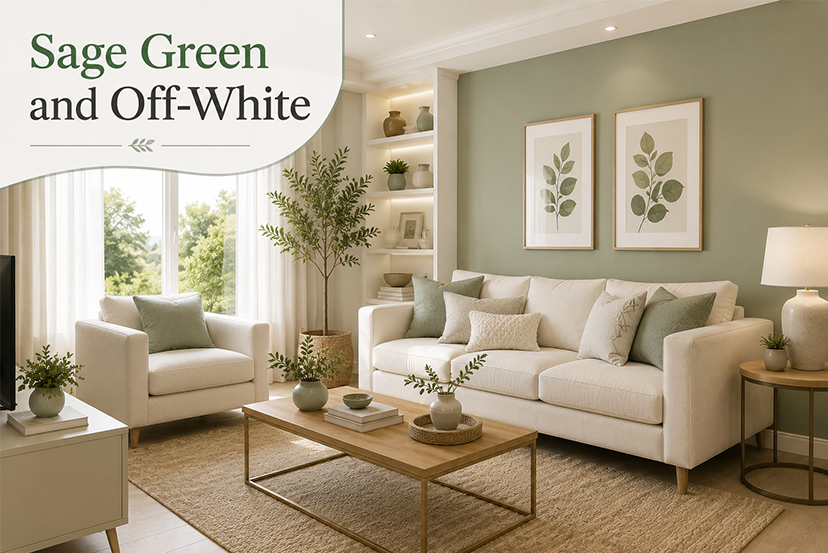
3. Sage Green and Off-White
Sage green has become a popular choice for interiors because its muted appearance brings a natural and calming feel to a room. Pairing it with off-white prevents the green from becoming too dominant and creates a balanced look.
Best for: Nature-inspired and contemporary homes
Tip: Complement the combination with indoor plants, wooden furniture and neutral curtains.
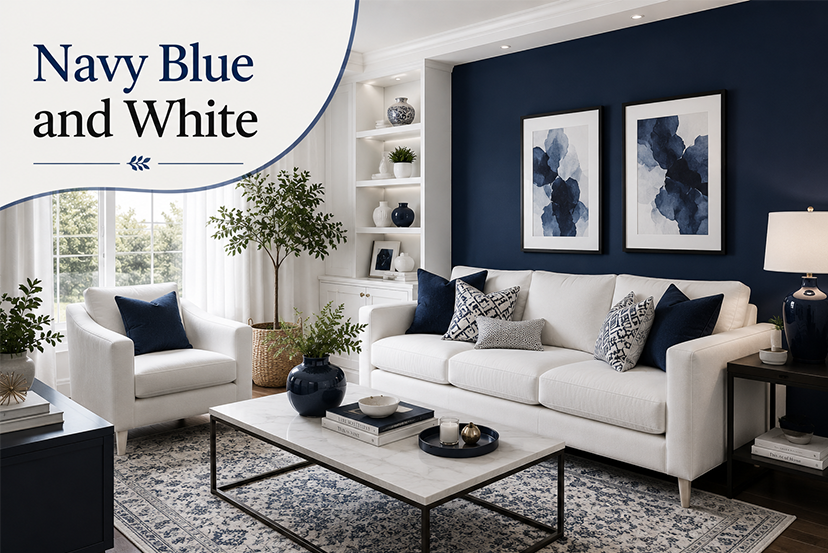
4. Navy Blue and White
Navy blue and white create a striking contrast while maintaining a sophisticated appearance. Navy works particularly well as an accent wall behind a television unit, artwork or sofa, while white can be used on the remaining walls.
Best for: Modern and statement-making living rooms
Tip: Add brass, gold or wooden accents to soften the darker shade.
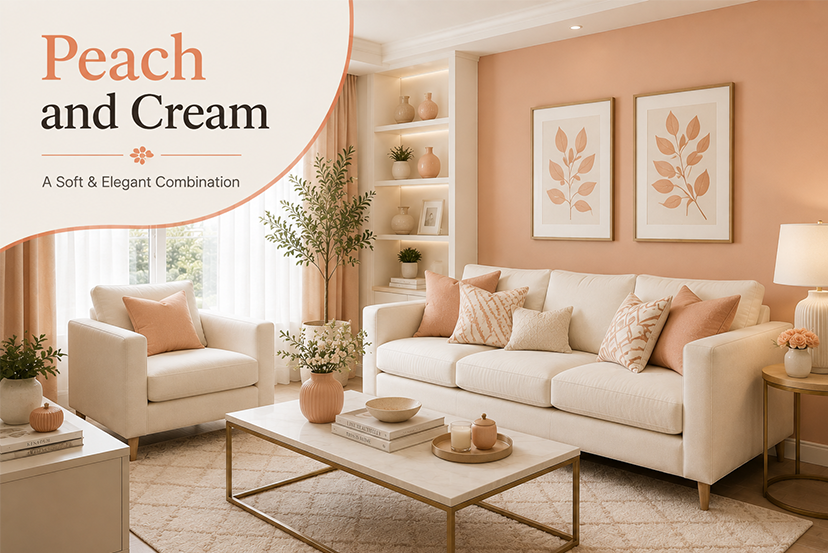
5. Peach and Cream
Peach and cream can give your hall a soft, warm, and inviting appearance. The combination works particularly well when you want to introduce colour without making the room feel too bold. Muted peach shades can also function almost like contemporary neutrals.
Best for: Warm, cheerful, and contemporary interiors
Tip: Pair with cream upholstery and light-coloured wooden furniture.
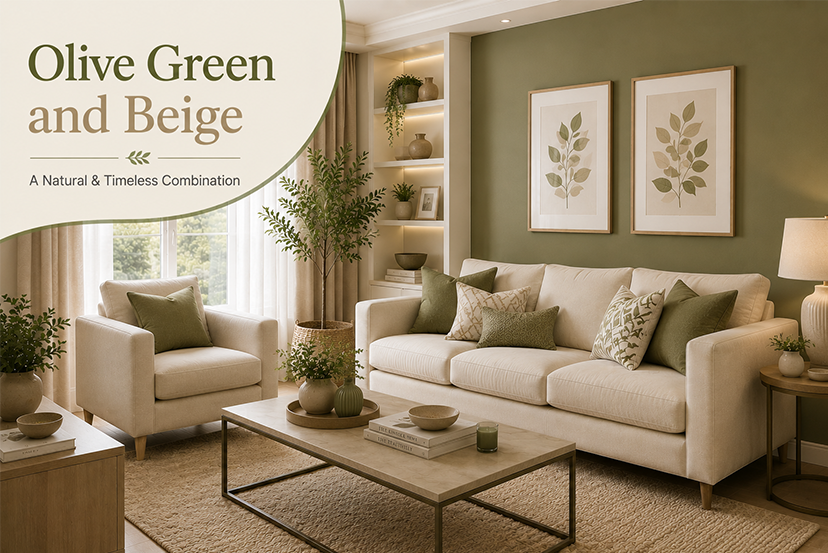
6. Olive Green and Beige
Olive green and beige create an earthy and sophisticated colour palette. The deeper green adds character, while beige balances the room with a lighter neutral tone. This combination is especially attractive with wooden elements and natural textures.
Best for: Earthy, modern, and premium interiors
Tip: Use olive green on one feature wall instead of covering the entire room.
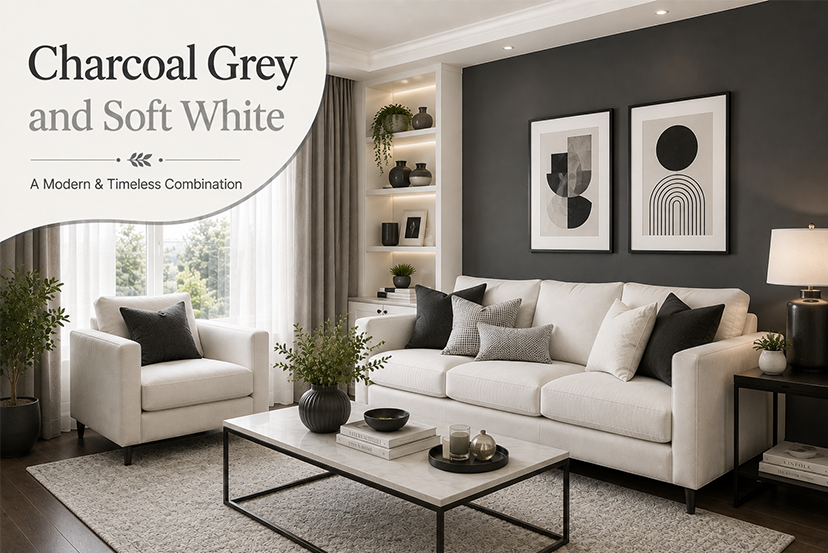
7. Charcoal Grey and Soft White
For a contemporary and dramatic look, charcoal grey and soft white are an excellent choice. Charcoal creates depth and makes architectural features stand out, while soft white prevents the room from appearing too dark.
Best for: Large halls and modern interiors
Tip: Use charcoal selectively, especially in rooms with limited natural light.
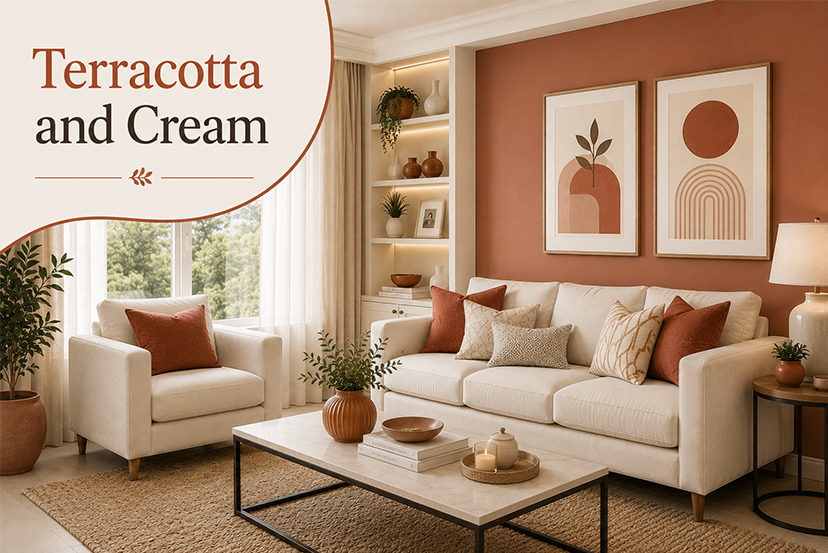
8. Terracotta and Cream
Terracotta brings warmth, personality, and an earthy character to the living room. Pairing it with cream creates a softer balance and prevents the colour scheme from becoming overwhelming. Earthy tones are also increasingly being incorporated into contemporary interior palettes.
Best for: Bohemian, rustic, and contemporary homes
Tip: Add cane furniture, wooden décor, and neutral fabrics for a cohesive look.
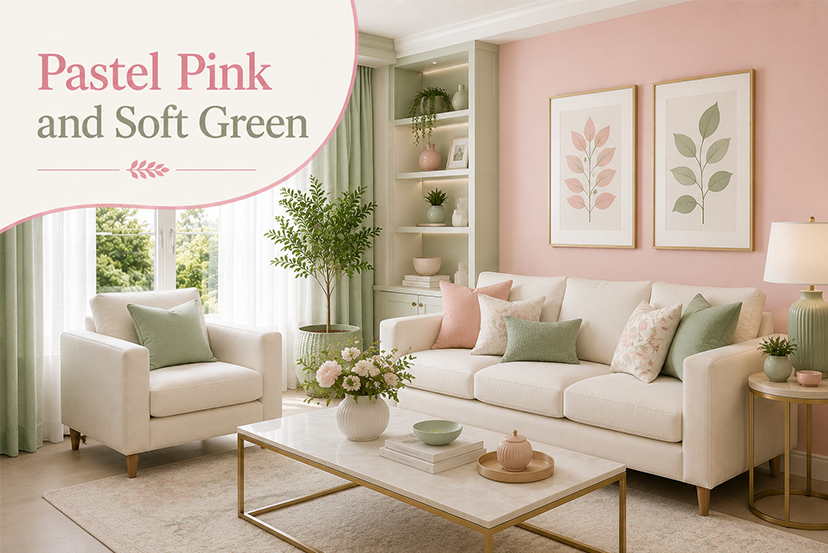
9. Pastel Pink and Soft Green
Pastel pink and soft green can create a fresh and youthful living room aesthetic. Using muted versions of both colours keeps the combination sophisticated rather than overly bright. This pairing is particularly suitable for homeowners looking for something different from conventional neutral palettes.
Best for: Contemporary, artistic, and playful interiors
Tip: Keep furniture and curtains neutral to allow the wall colours to stand out.
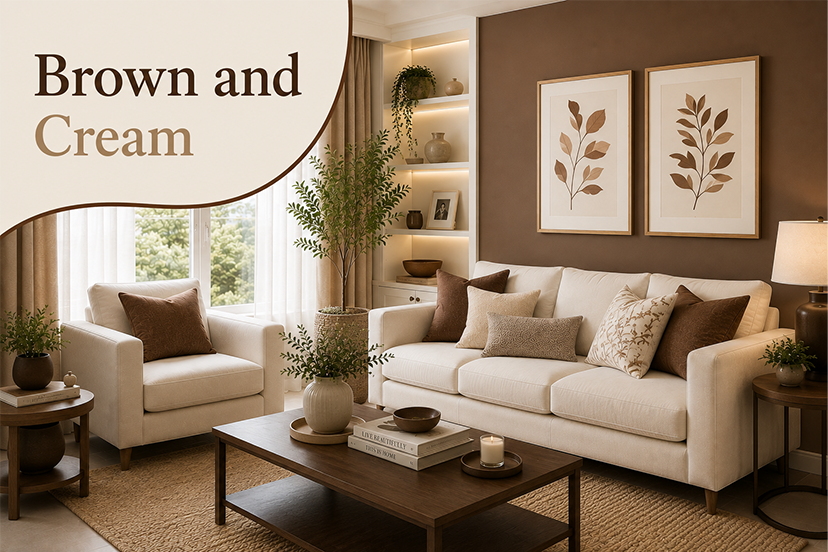
10. Brown and Cream
Brown and cream remain dependable choices for creating a warm and comfortable living room. Brown adds richness and depth, while cream provides brightness and balance. The combination works naturally with wooden furniture, leather sofas, and warm lighting.
Best for: Traditional, classic, and luxury interiors
Tip: Use brown as an accent shade rather than covering every wall.
How to Choose the Right Paint Colour Combination for Your Hall
Choosing a colour combination is not only about selecting two shades that look attractive together. Consider the room’s size, natural light, furniture, flooring, and overall interior style before finalising your colours.
1. Consider the Size of the Room
Light shades such as white, cream, beige, and pastel colours can make a smaller hall feel more spacious and open. Darker colours can add depth to larger rooms but may make compact spaces feel visually smaller.
2. Check the Natural Lighting
A room with abundant sunlight can accommodate deeper colours more easily. If your hall receives limited natural light, consider lighter combinations such as cream and white, beige and off-white or pastel green and white.
3. Match the Furniture
Your wall colours should complement—not compete with—your furniture. For example, neutral walls can balance colourful furniture, while a darker accent wall can work well with neutral sofas and furnishings.
4. Create an Accent Wall
Instead of painting every wall a different colour, use one stronger shade on a feature wall and keep the remaining walls neutral. This is one of the easiest ways to introduce contrast while maintaining visual balance. Two-colour living-room schemes can be created through wall sections, accent walls or colour blocking.
5. Think About the Ceiling
A white or very light ceiling generally helps maintain an open appearance. If you want a more dramatic interior, you can use a subtle variation of the wall colour, but avoid making a low ceiling appear visually heavier.
Tips for Choosing the Best Hall Colour Combination
- Use the 60-30-10 approach: Keep the dominant wall colour around 60%, a secondary shade around 30%, and accent colours around 10%.
- Test before painting: Paint samples can look different depending on daylight, artificial lighting, and surrounding furniture.
- Avoid too many strong colours: Two main shades are usually enough for a balanced living room.
- Coordinate with flooring: Check whether your floor has warm or cool undertones before choosing wall colours.
- Use darker colours strategically: Dark shades are excellent for feature walls, but extensive use can make poorly lit rooms feel smaller.
- Consider the finish: Matte finishes provide a softer appearance, while washable or satin finishes can be practical for frequently used areas.
Which Colour Combination Is Best for Your Living Room?
The best paint colour combination ultimately depends on the size, lighting, furniture, and design style of your hall. For a timeless look, white and grey or beige and warm white are reliable choices. If you want a natural and contemporary atmosphere, sage green and off-white or olive green and beige work beautifully. For a bold statement, navy blue and white or charcoal grey and soft white can create a striking focal point. If you are looking to buy the best industrial paints in bulk, you can simply collaborate with Moglix Business and procure them at the best prcies.
Rather than following a colour trend blindly, choose shades that complement your existing interiors and make the room comfortable for everyday living. With the right combination, even a simple coat of paint can transform the appearance and ambience of your hall or living room.
Frequently Asked Questions
1. Which colour combination is best for a living room?
White and grey, beige and warm white, sage green and off-white, and navy blue and white are versatile choices for living rooms.
2. Which colour makes a small hall look bigger?
Light colours such as white, cream, beige, and soft pastels can make a small hall appear brighter and more spacious.
3. Which colour is best for a modern hall?
Grey, off-white, sage green, navy blue, beige, and muted earthy tones can work well in modern halls.
4. Should the hall have two colours?
A two-colour scheme is not mandatory, but combining a primary wall colour with an accent shade can add depth and visual interest.
5. Which colour is best for a dark living room?
Light shades such as warm white, cream, pale beige, and soft pastels are generally better suited to rooms with limited natural light.