








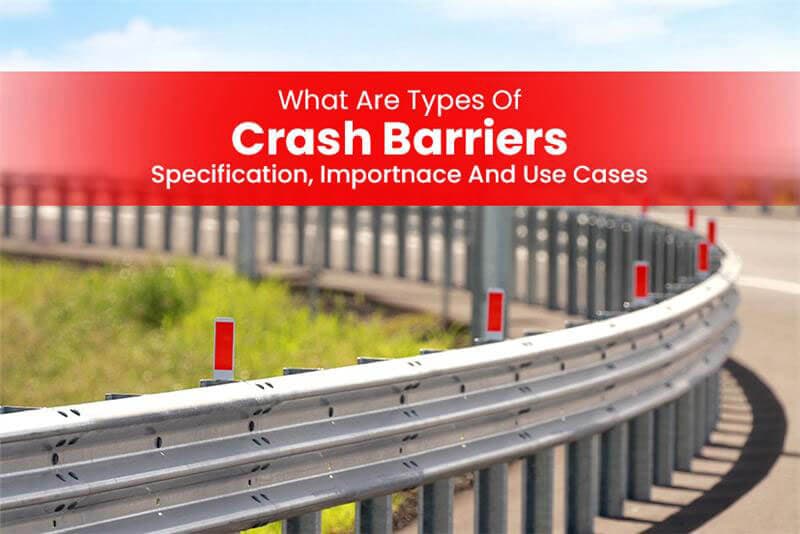
Crash barriers, also known as road safety barriers or guardrails, play a crucial role in preventing vehicles from veering off roads, minimizing accident severity, and protecting both drivers and pedestrians. Widely used across highways, bridges, medians, and high-risk zones, these barriers are an essential component of modern road infrastructure. Construction of businesses and industries that look to buy crash barriers in bulk can simply procure them at the Moglix online platform at the most effective prices.
What Are Crash Barriers?
Crash barriers are protective structures installed along roadsides or medians to absorb the impact of a vehicle during a collision. Their primary purpose is to redirect or stop vehicles safely, reducing the chances of fatal injuries, vehicle damage, and roadside hazards.
What are the Types of Crash Barriers?
Crash barriers are categorized based on their material, design, and application. Below are the most commonly used types:
1. Metal Beam Crash Barriers (W-Beam & Thrie-Beam)
Metal Beam crash barriers are the most widely used barriers on highways and expressways.
- Made from galvanized steel
- Available in W-beam and Thrie-beam profiles
- Mounted on steel or concrete posts
Key Benefits:
- High impact resistance
- Cost-effective
- Easy to install and maintain
Use Cases:
- National highways
- Road medians
- Curves and embankments
2. Concrete Crash Barriers
Also known as rigid barriers, these are designed for maximum strength and durability.
- Made of reinforced concrete
- Includes Jersey barriers and F-shape barriers
Key Benefits:
- Extremely durable
- Low maintenance
- Ideal for high-speed zones
Use Cases:
- Urban roads
- Toll plazas
- Dividers and flyovers
3. Wire Rope Crash Barriers (Cable Barriers)
Flexible barriers are made using high-tension steel cables.
- Installed with steel posts and multiple tensioned cables
- Absorb energy through cable tension
Key Benefits:
- Highly flexible
- Reduces impact severity
- Lower installation cost
Use Cases:
- Highways with wide medians
- Rural roads
- Accident-prone areas
4. Plastic Crash Barriers (Water-Filled Barriers)
Lightweight and portable barriers are often used for temporary traffic management.
- Made of high-density polyethylene (HDPE)
- Filled with water or sand for stability
Key Benefits:
- Easy to transport and install
- Reusable
- Highly visible
Use Cases:
- Construction zones
- Event management
- Temporary diversions
5. Hybrid Crash Barriers
A combination of metal and concrete components for enhanced performance.
- Combines flexibility and strength
- Designed for specialized environments
Key Benefits:
- Balanced energy absorption
- Improved safety performance
Use Cases:
- Bridges
- Elevated corridors
- High-risk accident zones
Understand the Specifications of Crash Barriers
Crash barriers must meet strict safety and engineering standards to ensure effectiveness. Key specifications include:
1. Material Standards
- Galvanized steel for corrosion resistance
- Reinforced concrete for durability
- UV-stabilized plastic for temporary barriers
2. Height and Dimensions
- Typically ranges between 0.7 and 1.2 meters
- Thickness and width vary by type and application
3. Impact Resistance
- Designed to withstand high-speed vehicle collisions
- Tested under standard crash conditions
4. Installation Guidelines
- Proper spacing of posts
- Anchoring systems for stability
- Alignment based on road curvature
5. Compliance Standards
- Must adhere to guidelines like IRC (Indian Roads Congress) and international safety norms
Understand the Importance of Crash Barriers
Crash barriers are critical for ensuring road safety and reducing accident severity. Their importance includes:
- Prevents Vehicles from Leaving the Road: Especially on curves, slopes, and bridges
- Reduces Fatalities: Absorbs impact and minimizes injury
- Protects Infrastructure: Shields pedestrians, buildings, and roadside assets
- Enhances Traffic Management: Guides vehicle movement and lane discipline
- Supports Smart Infrastructure: Integral to modern highway safety systems
Check out the Use Cases of Crash Barriers
Crash barriers are used across various road and infrastructure scenarios:
1. Highways and Expressways
Installed along medians and edges to prevent cross-over accidents and vehicle rollovers.
2. Bridges and Flyovers
Prevents vehicles from falling off elevated structures.
3. Urban Roads
Used as dividers and pedestrian protection systems.
4. Construction Zones
Temporary barriers ensure worker safety and traffic control.
5. Accident-Prone Areas
Installed in sharp curves, steep slopes, and high-risk zones to reduce accident severity.
Conclusion
Crash barriers are a vital safety feature in road infrastructure, designed to protect lives and minimize accident impact. With various types such as metal beams, concrete, wire rope, and plastic barriers, each serves a specific purpose based on road conditions and traffic requirements. Proper selection, installation, and adherence to safety standards ensure maximum effectiveness. Investing in high-quality crash barriers not only enhances road safety but also contributes to long-term infrastructure reliability.